How AI is changing carpet design without replacing the designer
Generative AI can draft, recolor and vary rug designs in minutes. The real opportunity is giving skilled designers more time for the decisions only they can make.

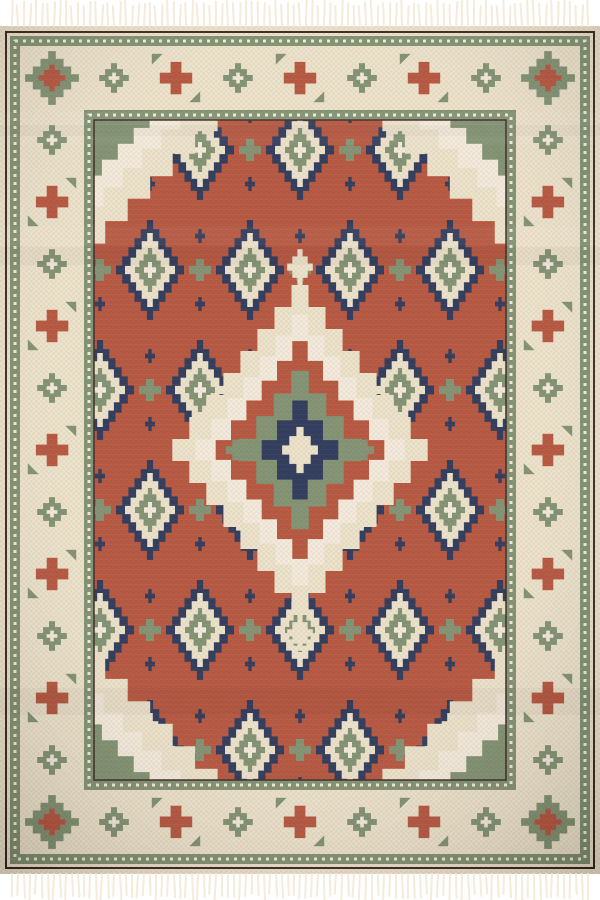
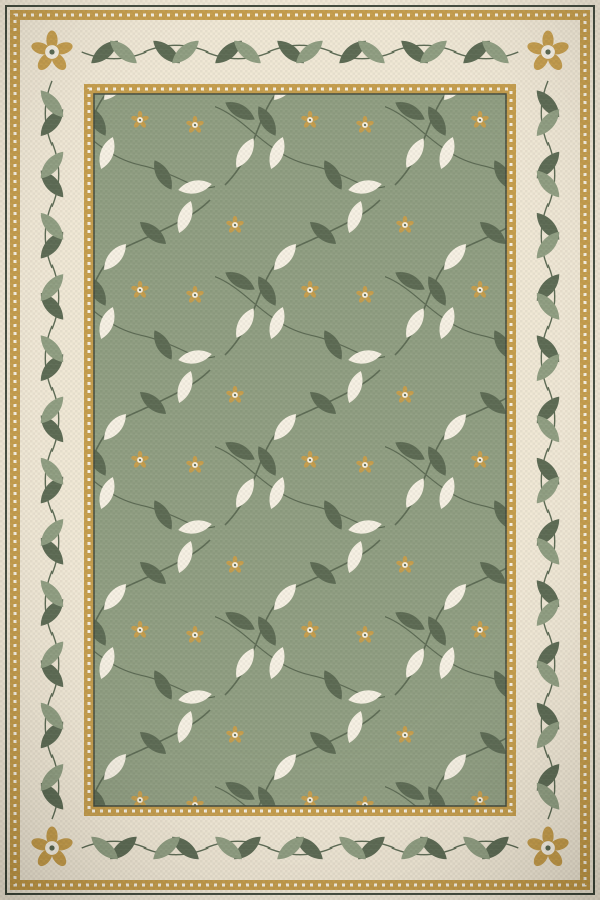
Every rug begins as a set of decisions: the proportion of field to border, the rhythm of a repeat, how a vine turns a corner, which reds sit next to which blues. For generations those decisions have been made, and then painstakingly drawn, by specialist pattern designers. The drawing is where most of the time goes.
Generative AI changes the economics of that drawing. It does not change who should be making the decisions.
Where the time actually goes
Ask a carpet designer to break down a typical week and a pattern emerges. A relatively small share of time is spent on creative direction: choosing a concept, defining the palette, judging what works. Far more goes into execution: drafting borders, resolving corners, separating colors, producing colorways and resizing for each format.
- Redrawing motifs to fit a new size or knot density
- Producing five or six colorways of an approved design
- Correcting seams in repeats for wall-to-wall carpet
- Preparing color-indexed files for the mill
These are precisely the tasks where AI is strongest: they are structured, repetitive and governed by rules that can be learned.
AI as a studio assistant
The most productive teams we work with treat RugAlchemy like a tireless junior designer. A senior designer sets the brief, reviews a spread of options, picks a direction and refines it. The platform handles the drafting in between.
The goal is not fewer designers. It is designers who spend their days designing.

Why craft knowledge matters more, not less
A model can generate a convincing-looking rug. Knowing whether it will weave well, whether the border will resolve cleanly at 160 knots per square inch, or whether a colorway will sell in a particular market still requires human expertise. AI raises the value of that judgment because it multiplies the number of options that need judging.
Getting started responsibly
- Start with one collection and measure time saved at each stage
- Lock your palettes and production constraints from day one
- Keep designers in charge of direction and final approval
- Agree clear ownership terms for every design you generate