Field, border, medallion: a designer’s guide to rug anatomy
A shared vocabulary for briefs, feedback and AI prompts. The essential parts of a rug and how each one shapes the whole.
Good briefs use precise language. Whether you are writing for a colleague, a mill or an AI model, naming the parts of a rug correctly is the fastest way to get the design you have in mind.
The field
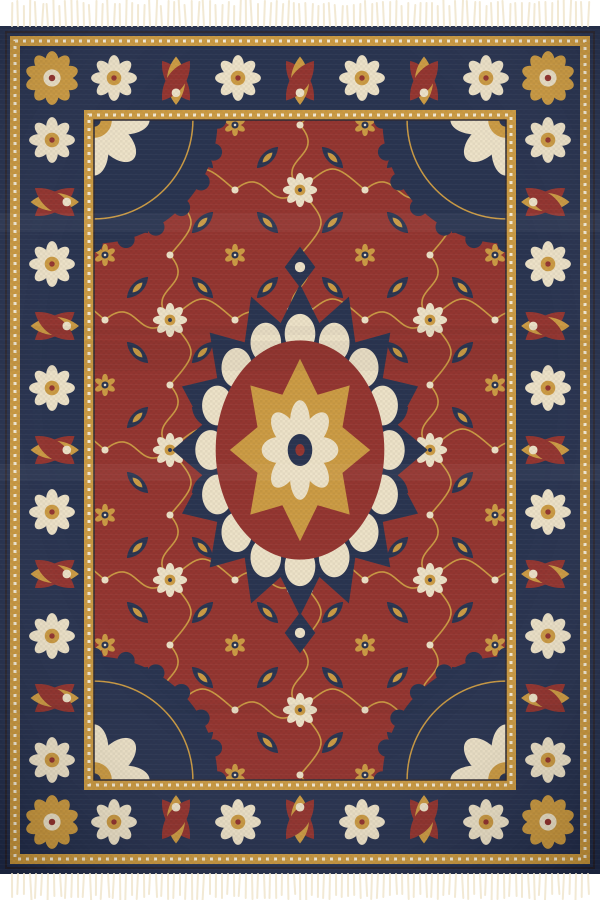
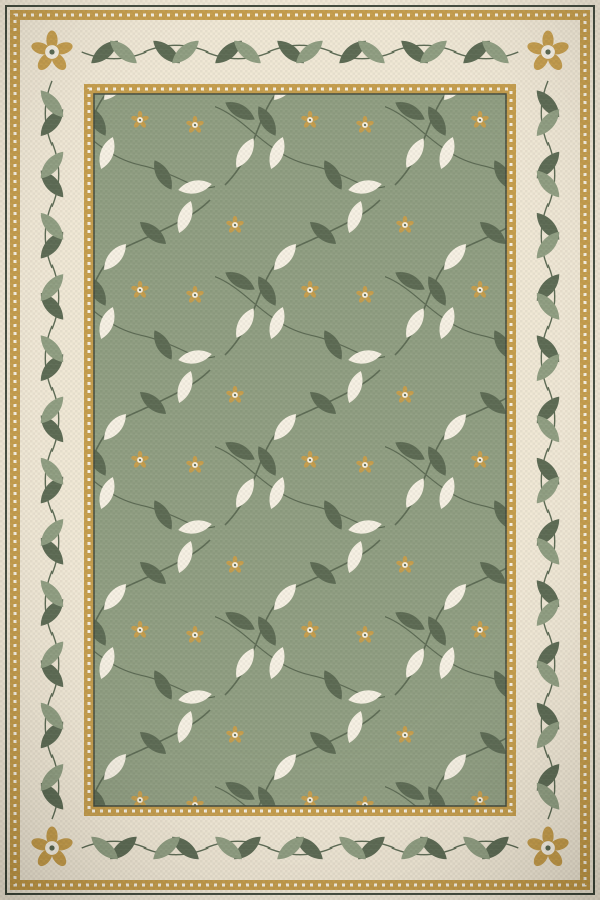
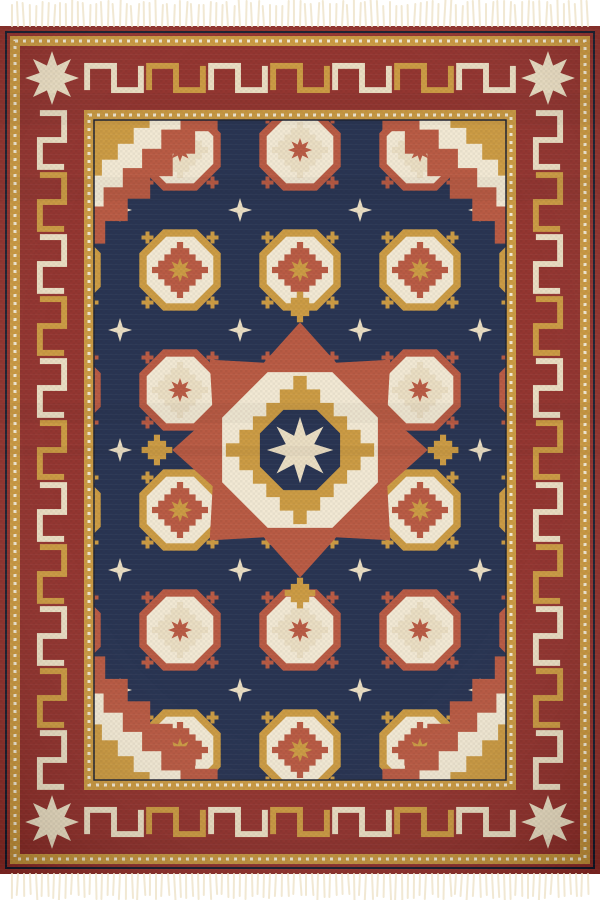
The field is the central ground of the rug, inside the borders. It may be open, filled with an all-over repeat, or organized around a central medallion. Field motifs set the overall rhythm and scale of the design.
The border system
Most traditional rugs frame the field with a main border flanked by narrower guard stripes. The main border carries the strongest secondary motif (rosettes, palmettes, running-dog or meander patterns), while guards provide a quiet transition.
- Main border: the widest band, carrying the key repeating motif
- Guard stripes: narrow bands on either side of the main border
- Corner resolution: how the border motif turns the corner, a sign of design quality
Medallion and spandrels
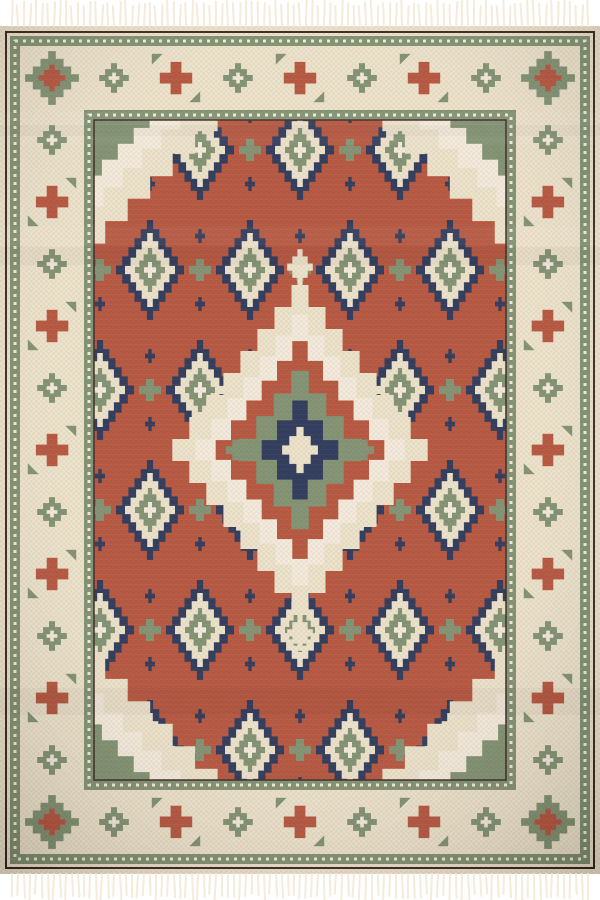
The medallion is the central focal motif. Persian medallions are often lobed and curvilinear; Anatolian and Caucasian medallions tend to be stepped and geometric. Spandrels, the quarter-medallions in the field corners, echo the medallion and frame it.
Repeats for wall-to-wall carpet
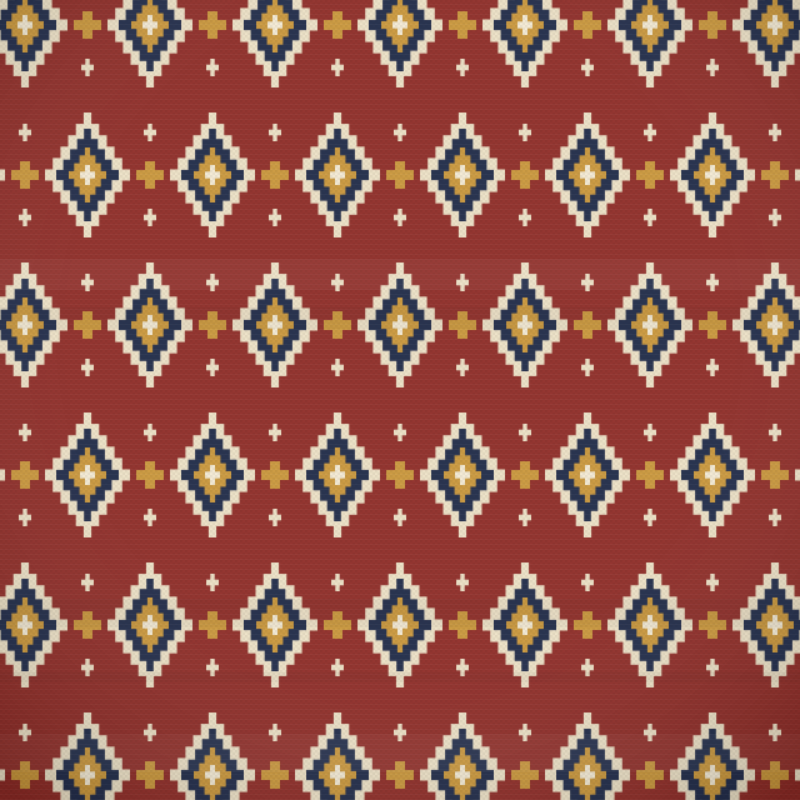
Broadloom and wall-to-wall carpet drop the border entirely in favor of a seamless repeat. Repeat size, half-drop offsets and seam behavior all matter at production scale.